Hemodynamic Workflow Design
Clinical application specialists help teams define measurement practice, escalation behavior, and bedside-to-command-center review patterns before deployment begins.

Engineered for hemodynamic clarity. Supported under ISO 13485, IEC 60601-1, and global post-market controls.
Edwards Lifesciences supports hospitals that need more than equipment. The capability model connects monitoring science, implementation planning, training, interface review, and post-market support into one accountable program.
Clinical application specialists help teams define measurement practice, escalation behavior, and bedside-to-command-center review patterns before deployment begins.
FHIR R4, HL7 v2, role-based access, and cybersecurity documents are organized for IT and biomedical review, reducing late surprises during go-live.
Procurement teams can request IFU access, UDI traceability, QMS summaries, and post-market documentation aligned to value analysis expectations.
Service records, parts planning, training credits, and preventive maintenance notes give hospitals a practical view of total cost of ownership.
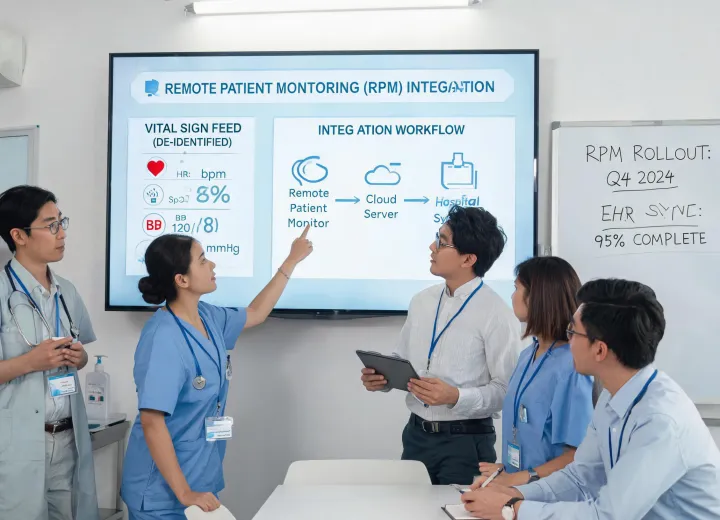
Hospital decision makers often need evidence for clinical fit, cybersecurity, service response, training, budget timing, reimbursement context, and replacement planning. A strong monitoring program gives each stakeholder the right document without forcing clinical teams to become project administrators.
The Edwards Lifesciences capability approach is intentionally practical: define the care setting, confirm integration boundaries, train the people who will touch the device, and keep post-market changes visible after installation.